Freight Transfer Services
Transloading & Cross-Docking
Move freight between transportation modes or transfer incoming goods directly to outbound shipments. American Warehouse supports transloading and cross-docking in the Portland, Oregon area for domestic and international supply chains.

Two Freight Solutions
Choose the Right Transfer Process
Transloading and cross-docking both help freight move through the supply chain, but they solve different operational needs. The right approach depends on transportation modes, shipment timing, product handling, and whether goods need temporary storage.
Transloading
Move Cargo Between Transportation Modes
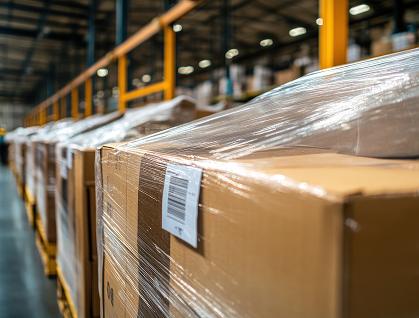
Transloading transfers cargo from one transportation mode or vehicle to another, such as a shipping container to a truck or rail equipment. It can support domestic freight and international shipments arriving through different transportation networks.
- Transfer goods between containers, trucks, or rail cars according to shipment requirements
- Coordinate handling for domestic and international freight
- Plan freight movement around timing, destination, and handling needs
- Discuss shipment visibility and tracking requirements with the team
For products that also need storage, explore our warehousing services.
Cross-Docking
Transfer Inbound Goods to Outbound Freight
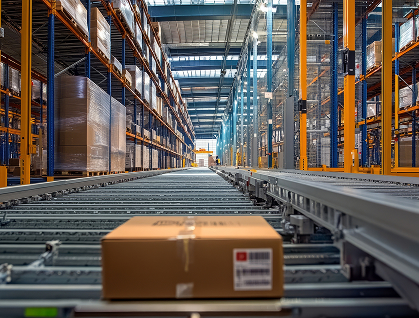
Cross-docking moves products from inbound transportation toward outbound shipments with little or no long-term storage. It is useful when goods need sorting, consolidation, or quick transfer before continuing to customers or distribution points.
- Receiving and sorting: Identify and organize incoming goods for their next shipment
- Outbound coordination: Prepare freight to continue through the distribution network
- Reduced storage time: Limit unnecessary warehouse dwell time when schedules align
- Inventory flow: Support faster movement for time-sensitive or replenishment shipments
See how cross-docking connects with our distribution services.
How They Differ
Transloading or Cross-Docking
Both services involve freight transfer. The main difference is why the transfer takes place and what happens to the shipment next.
Transloading
Moves cargo between transportation modes or equipment, often as part of a longer domestic or international route.
Cross-Docking
Moves incoming goods toward outbound transportation with limited storage between receiving and dispatch.
Why American Warehouse
Freight Handling Built Around Your Operation
American Warehouse works with businesses to plan the handling, transfer, and movement of freight through its Portland-area operation.
- Portland location: Access to Pacific Northwest transportation networks
- Shipment visibility: Discuss tracking and inventory reporting needs
- Handling coordination: Plan transfer requirements for the freight and equipment involved
- Flexible scope: Connect transfer activity with warehousing or distribution where needed
Customer Experience
A Partner for Growing Businesses
See how a customer describes American Warehouse’s support for international businesses expanding in North America.

“American Warehouse offers a personal and efficient approach, making them a top choice for international businesses expanding in North America.”
Talk Through Your Freight
Book Your Free 3PL Solutions Analysis
Share your freight type, origin, destination, shipment schedule, transportation modes, and transfer requirements. Our team can discuss whether transloading, cross-docking, or a connected service is appropriate.
Prefer a separate window? Open the booking calendar or call 503-656-1852.
Freight Transfer FAQs
Common Questions
Answers to help you prepare a freight transfer discussion.
What is the difference between transloading and cross-docking?
Transloading transfers cargo between transportation modes or equipment. Cross-docking moves incoming products toward outbound shipments with little or no long-term storage.
Can transloading support international shipments?
Yes. Transloading can be used when international freight must transfer from one transportation mode or vehicle to another. Share the shipment details so American Warehouse can discuss handling requirements.
Does cross-docking require long-term storage?
No. Cross-docking is intended to move goods from inbound to outbound transportation with minimal storage between transfers.
What information should I provide for a quote?
Provide the freight type, dimensions, quantities, origin, destination, transportation modes, arrival timing, outbound schedule, and any special handling requirements.
Let’s Talk Logistics
Plan Your Next Freight Transfer
Tell us what is arriving, how it needs to move, and when it must leave. We can discuss the next step for your operation.
 Schedule a Free Consultation