When you hear about expanding to the U.S. and Canada, everything sounds simple enough. You have a strong relationship with your consumers. There is a long common border between the two countries and strong trade connections.
Everything seems easy enough on paper. That is why so many emerging brands see fulfillment in the U.S. and Canada as an opportunity for their further expansion.
However, there is a significant gap between what brands want to achieve through cross-border fulfillment and what they actually do.
Where Does the Problem Come From?
Cross-border fulfillment looks like a natural evolution of the brand development. In reality, however, it leads to long transit times, increased costs, complicated processes, and fragmented customer experience.
It is clear why brands opt for cross-border fulfillment; there is nothing wrong with demand. Everything is related to the way this process is approached.
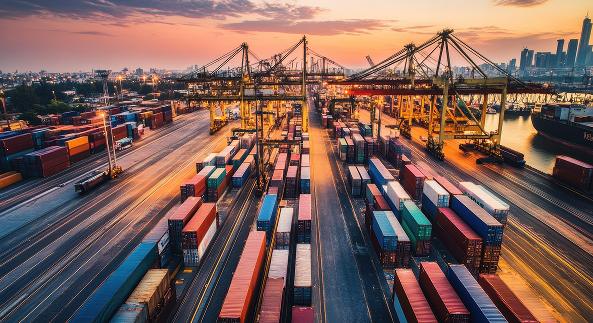
Why Is Cross-Border Fulfillment Such a Challenge?
The main assumption that holds true for many businesses is that cross-border fulfillment is easy and affordable. While this can be true for low volumes, it stops working once you start scaling your operations.
Every cross-border order comes with additional steps such as customs clearance, payment of duties and taxes, carrier services and last-mile delivery costs. All these factors make your operations unpredictable. What customers expect is predictable deliveries. And here comes the challenge.
- What customers expect: Fast, efficient, reliable delivery.
- What cross-border fulfillment actually provides: Long transit time, higher costs, delays.

Cross-Border Fulfillment: Most Common Challenges

The main problem of brands that try to reach out to customers in the other country is that they fail to understand the intricacies of fulfillment processes.
There are several challenges that brands should keep in mind when planning to fulfill orders in multiple countries.
-
Treating U.S. and Canada as One Market
The biggest mistake made by brands is that they believe that the U.S. and Canada are two sides of the same coin. They do have common border; however, when it comes to fulfillment, they are two separate markets with separate processes and different requirements.
Shipping across U.S. borders is not the same as international shipping from Canada to the U.S.
-
Failing to Understand Logistics Costs
There is no doubt that fulfillment from the warehouse in one country to another involves higher costs. In addition to base shipping costs, there are other expenses related to cross-border fulfillment, such as:
- Taxes, duties, and other charges
- Brokerage fees
- Last-mile delivery costs
-
Neglecting Delivery Times and Cost of Customer Experience
The thing is that U.S. consumers are very accustomed to prompt fulfillment thanks to big e-commerce giants like Amazon.
Customers who receive orders delivered from Canadian warehouses will be disappointed by longer transit times compared to local suppliers.
-
Disregarding Customs Rules and Regulations
It is hard to underestimate the importance of customs compliance when planning for cross-border fulfillment. Any mistake can result in serious consequences, including delayed deliveries.
Moreover, customs compliance includes many unpredictable steps.
-
Planning to Scale Without Proper Infrastructure
Cross-border fulfillment is a challenging process; therefore, trying to use it to scale up can turn problematic. As soon as the volume of orders increases, it will become even harder to control the process.
What Cross-Border Fulfillment Does to Your Business
These challenges can significantly affect the work of your company and lead to the following problems.
- Extended transit time decreases conversion rate
- Higher costs squeeze your profit margin
- Unclear process leads to poor customer experience
Over time, all of these factors will significantly hinder further growth of the business.
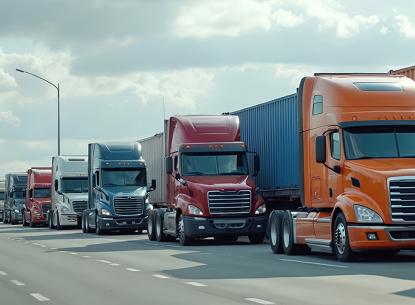
What High-Performing Brands Are Doing Right
High-performing brands that work successfully in the U.S. and Canada follow several principles.
Storing Inventory Close to Your Customers
Most brands decide to locate their inventory in the U.S. to serve U.S. customers. Thus, they eliminate extra steps and ensure fast and efficient delivery.
Creating a Smooth Customer Experience
Thanks to fulfillment in one country, these brands provide customers with such benefits as:
- Faster shipping
- More transparency regarding delivery time and costs
- Reduced complexity
Improving Scalability
It is easier to scale up if the fulfillment process is designed to support further growth.
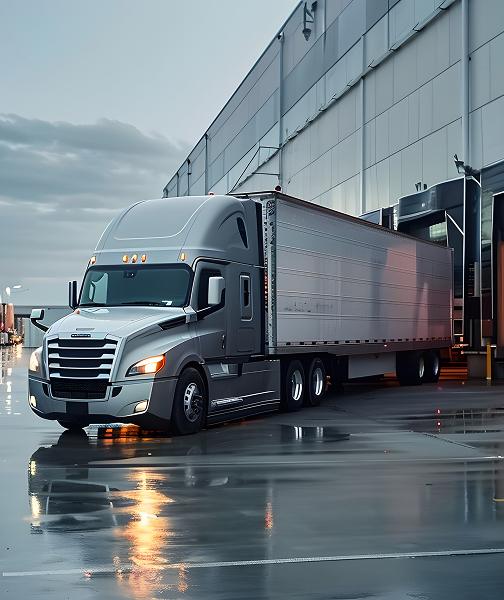
Simplified Returns and Reverse Logistics
Returns are often overlooked when planning cross-border fulfillment, but they can be costly and complex.
U.S. fulfillment enables:
- Faster and less expensive returns processing
- Easier resale or restocking of returned items
- A smoother experience for U.S. customers
This creates a more complete and customer-friendly fulfillment strategy.
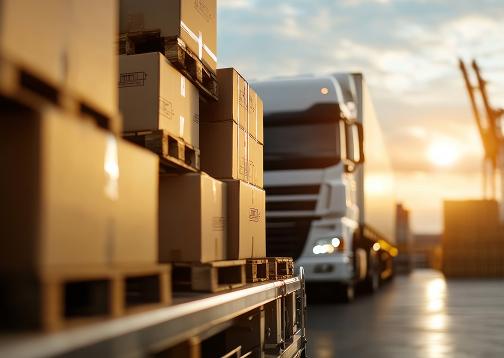
Fulfilment Strategy Rethinking
Cross-border fulfillment might seem the right way to go; however, it has a lot of disadvantages associated with it. The sooner you realize this fact and change your strategy, the faster you will improve your performance.
It is time to ask yourself whether cross-border fulfillment still fits your needs or it is better to reconsider it.
American Warehouse helps emerging companies optimize their fulfillment strategy through inventory management and the reduction of unnecessary steps.
📅 Schedule a FREE consultation now!
📩 Get a tailor-made quote for your fulfillment needs
 Schedule a Free Consultation