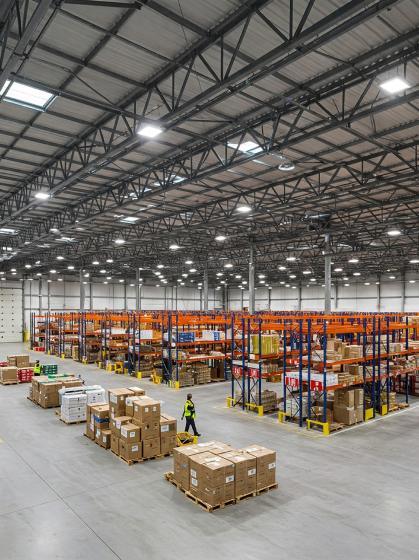
As your e-commerce business continues to grow, the order fulfillment puzzle becomes increasingly complicated. Eventually your brand will be presented with a critical juncture: do it yourself or third-party logistics and outsource?
Let’s dissect the advantages and disadvantages of each option so that you can make an informed decision about what’s best for your business.
What Is In-House Fulfillment?
In-house fulfillment is having your own company process all order processing, packing, and shipping in the company. You can utilize your own shipping equipment, staff, and warehouse.
Advantages:- Complete Control: You have complete control over every step, and this can enhance quality and consistency of brand.
- Customization: It is simpler to include personal touches such as custom packaging or handwritten notes.
- Immediate Supervision: You can control inventory tightly and fix issues faster.
- Scalability Problems: With increased orders, operational problems increase. Hiring personnel, renting additional space, and handling logistics can be daunting.
- Increased Fixed Costs: Warehousing, labor, and equipment are costly to acquire initially.
- Restricted Carrier Access: Smaller warehouses might not qualify for discounted carrier shipping rates.
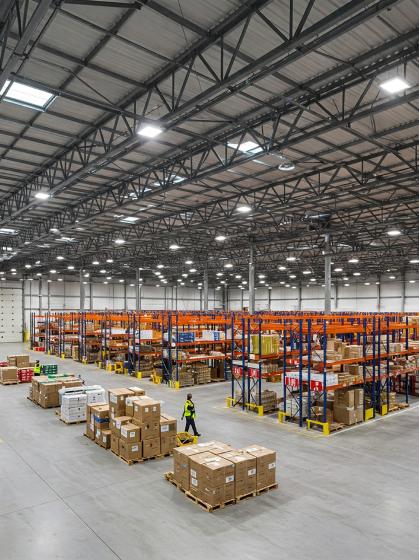
What Is 3PL Fulfillment?
A 3PL (third-party logistics) company will manage warehousing logistics, picking, packing, and shipping for you. You ship your products to their warehouse, and they take care of the rest.
Advantages:- Scalable Growth: Whether you have 500 or 50,000 orders to send out, a 3PL will manage it.
- Lower Overhead: You do not have to invest money in your own warehouse or employees.
- Speed & Reach: The majority of 3PLs use over one fulfillment center, with quicker delivery and lower shipping cost.
- Expertise: You are able to use the expertise of logisticians and sophisticated technology without the cost of creating it yourself.
- Less Control: You’re trusting a third party to represent your brand with every order.
- Onboarding Takes Time: Integrating your systems and syncing inventory can take effort upfront.
- Additional Fees: Storage, kitting, and account management fees can add up if not carefully monitored.
Which Option Is Best for Your Brand?
Here’s a quick guide to help you decide:
| Your Business Looks Like This… | Consider |
|---|---|
| You’re still shipping fewer than 100 orders/month In-House | In-House |
| You’re growing fast and struggling to keep up | 3PL |
| You want full control over packaging and brand experience | In-House |
| You’re looking to expand nationally or internationally | 3PL |
| You want to reduce operational headaches and focus on marketing or product development | 3PL |
There is no single answer. The right fulfillment strategy depends on your growth stage, budget, and long-term goals.
Even hybrid model brands opt, for producing in-house high-margin or bespoke products and shipping high-volume products to a 3PL.
If you are wondering whether 3PL fulfillment is the way to go for your brand, we’d be more than happy to assist you in making a decision. Our team at American Warehouse Inc assists e-commerce companies in streamlining operations and growing confidently.

 Schedule a Free Consultation