
For Shopify store owners, partnering with a 3PL provider is key to scaling your business and delivering a seamless customer experience. However, choosing the wrong 3PL can lead to delays, high costs, and frustrated customers.
To help Shopify merchants make informed decisions, we’ve outlined six common mistakes to avoid when selecting a 3PL for e-commerce fulfillment.
1. Focusing Only on Price
While cost is an important factor, selecting a 3PL based solely on the lowest rates can be risky. Low-cost providers may cut corners on service, technology, or reliability, leading to:
- Delayed shipments
- Damaged or lost inventory
- Poor customer experience
Instead, consider value-added services, reliability, and scalability alongside price to ensure long-term success.

2. Overlooking Shopify Integration
Not all 3PLs seamlessly integrate with Shopify. Without proper integration, you may face:
- Manual order entry
- Inaccurate inventory updates
- Delayed shipping notifications
Choose a 3PL with native Shopify integration that automatically syncs orders, inventory, and tracking updates, ensuring a smooth fulfillment process.

3. Ignoring Fulfillment Capabilities
Each 3PL has its specialties. Some excel with small packages, while others handle big and bulky items, temperature-sensitive products, or complex kits.
Before committing, confirm the provider can handle your product type and fulfillment needs, including:
- Pick and pack services
- Kitting and assembly
- Special handling requirements (fragile, FDA-approved, or CBD products)
4. Neglecting Location and Shipping Costs
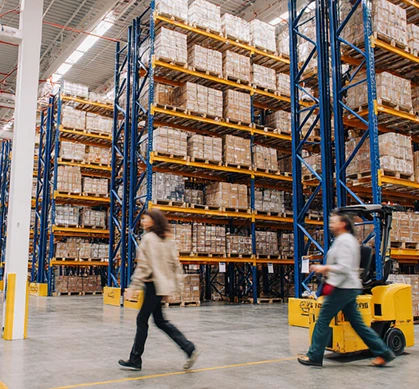
Shipping speed and cost are heavily influenced by warehouse location. Choosing a 3PL in a strategic location, like Portland, Oregon, offers advantages such as:
- Lower shipping rates to U.S. customers
- No state sales tax (for U.S. cross-border e-commerce)
- Faster delivery times in key regions
Consider how the 3PL’s location impacts your target markets and shipping costs.

5. Not Checking Technology and Reporting Tools
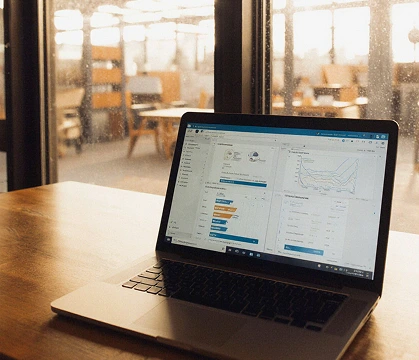
Modern e-commerce requires real-time inventory visibility and reporting. A 3PL without a robust warehouse management system (WMS) can leave you blind to your inventory and slow to respond to issues.
Ensure your provider offers:
- Real-time inventory tracking
- Order status updates
- Reporting dashboards for data-driven decisions
6. Failing to Assess Customer Service
Customer experience extends beyond your storefront. Your 3PL should provide:
- Responsive support for issues or returns
- Clear communication on delays or exceptions
- A team that understands Shopify fulfillment

A strong customer service culture ensures your brand reputation remains intact, even when challenges arise.
Choosing the right 3PL for Shopify orders is more than just a pricing decision; it’s about reliability, technology, and alignment with your business needs. Avoid these six mistakes to ensure your e-commerce fulfillment is efficient, cost-effective, and delivers an exceptional customer experience.
 Schedule a Free Consultation