When you first map out your expansion from Canada into the United States, the plan looks incredibly straightforward on paper. You already have a great bond with your audience, the two countries share a massive border, and trade connections are historically rock-solid. It feels like a natural next step for any growing e-commerce brand.
But there is a massive gulf between what a brand expects from cross-border expansion and what actually happens on the ground. Stretching a domestic shipping setup to handle international customers usually backfires, resulting in sluggish delivery times, runaway costs, and a deeply fragmented customer experience.
Cross-border logistics might get you by when your order volume is low, but the wheels fall off the moment you try to scale. If you want your business to grow without tanking your reputation, you need to spot the red flags early.
Here are seven unmistakable signs that your current fulfillment setup is actively trapping your business.
1. You treat the U.S. and Canada like one giant market
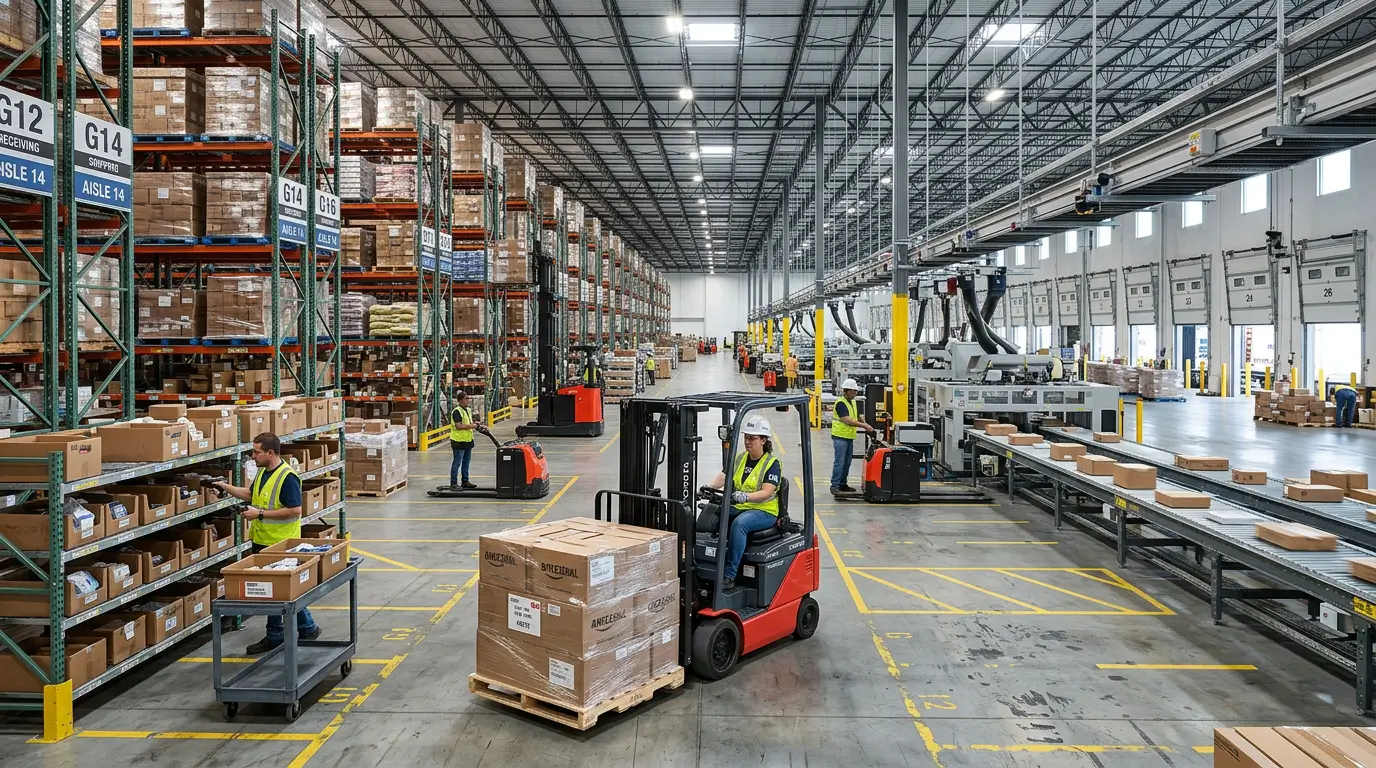
This is easily the biggest trap Canadian brands fall into. Just because two countries share a border doesn’t mean their logistics networks behave the same way. When it comes to actual physical fulfillment, they are entirely separate ecosystems with distinct rules, carrier networks, and consumer standards. Slapping a U.S. address label on a package inside a Canadian warehouse is not the same as having a true U.S. domestic shipping strategy.
2. Landed cost shock is killing your customer retention
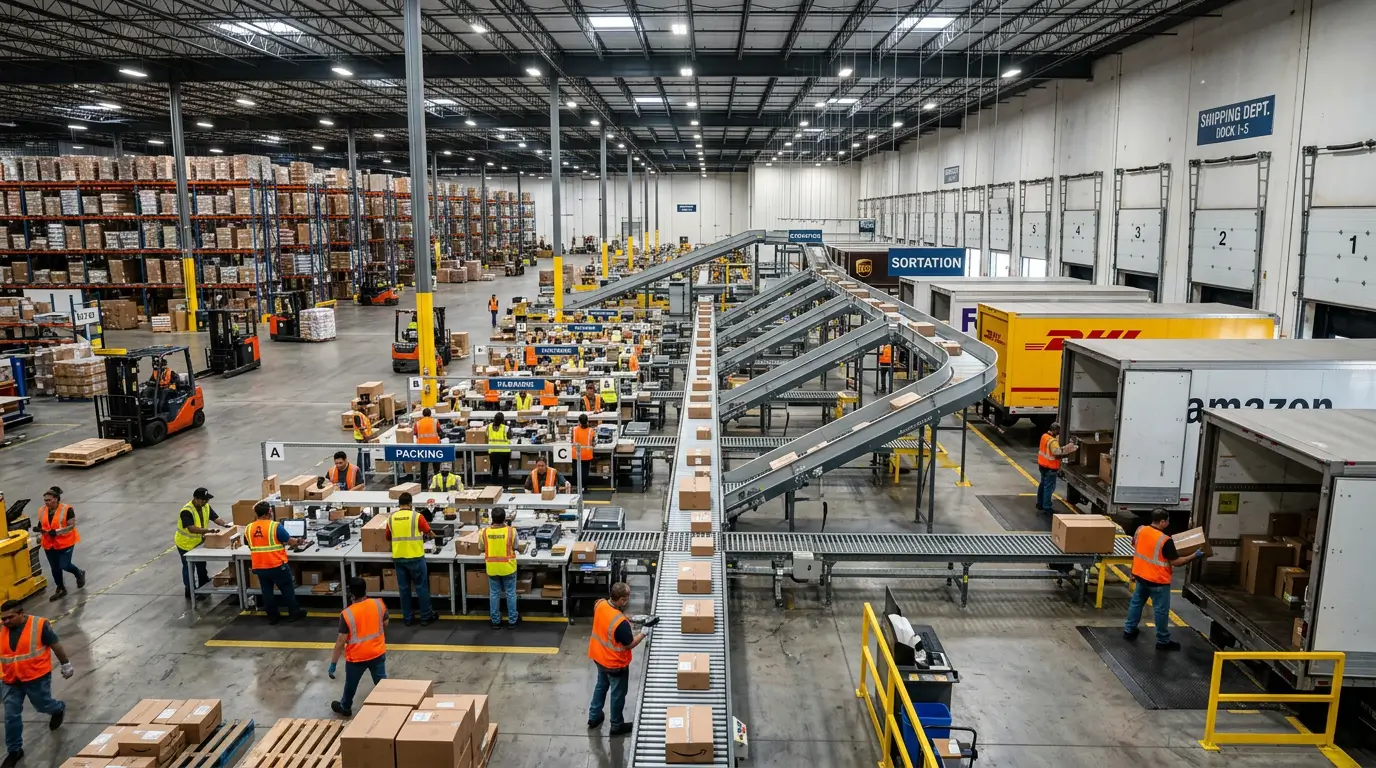
Nothing ruins the excitement of an online purchase faster than a surprise bill at the front door. If your shipping model relies on basic international delivery methods, your American buyers are likely getting blindsided by unexpected customs duties, local taxes, and hidden brokerage fees when the carrier shows up. In modern e-commerce, total transparency at checkout is non-negotiable. If you cannot guarantee the final price when they hit “buy,” you are bleeding customers.
3. You are drowning in the “Border Crawl”
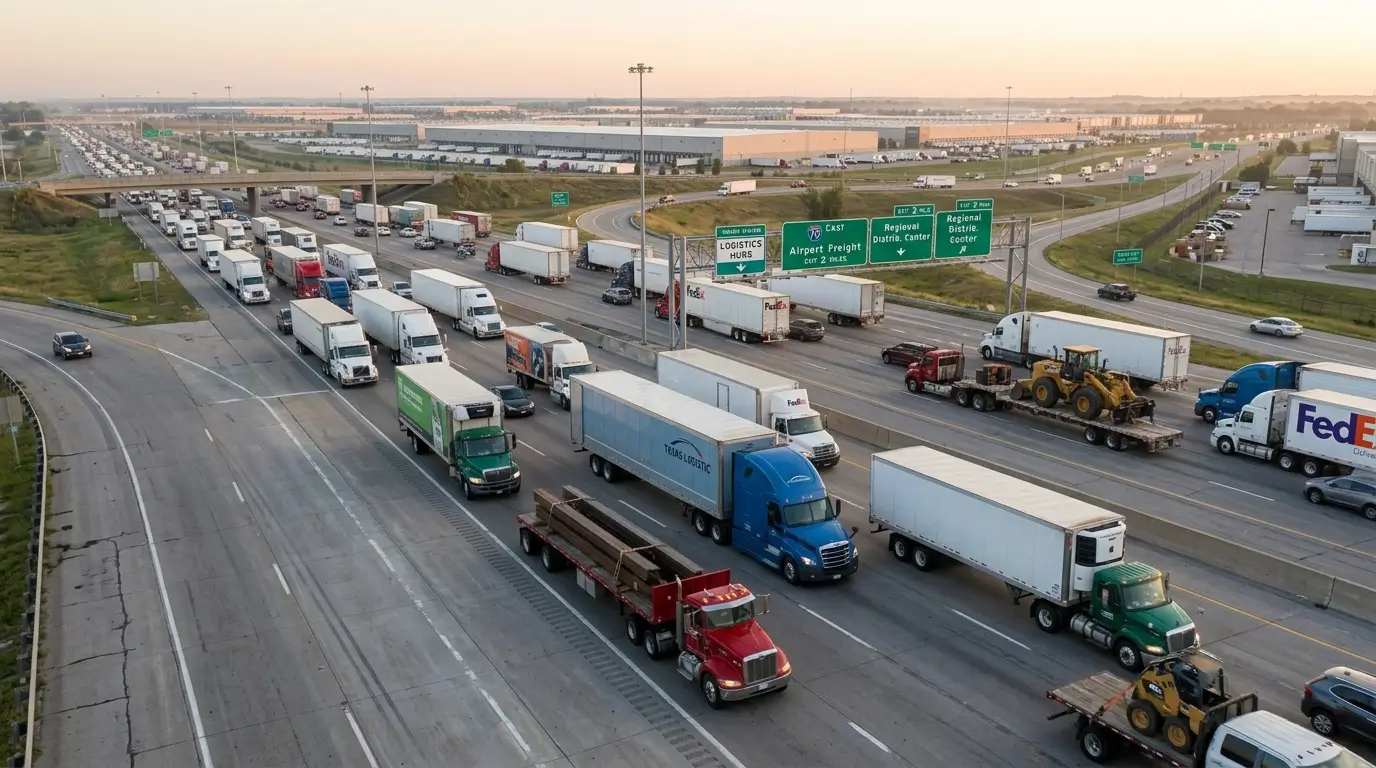
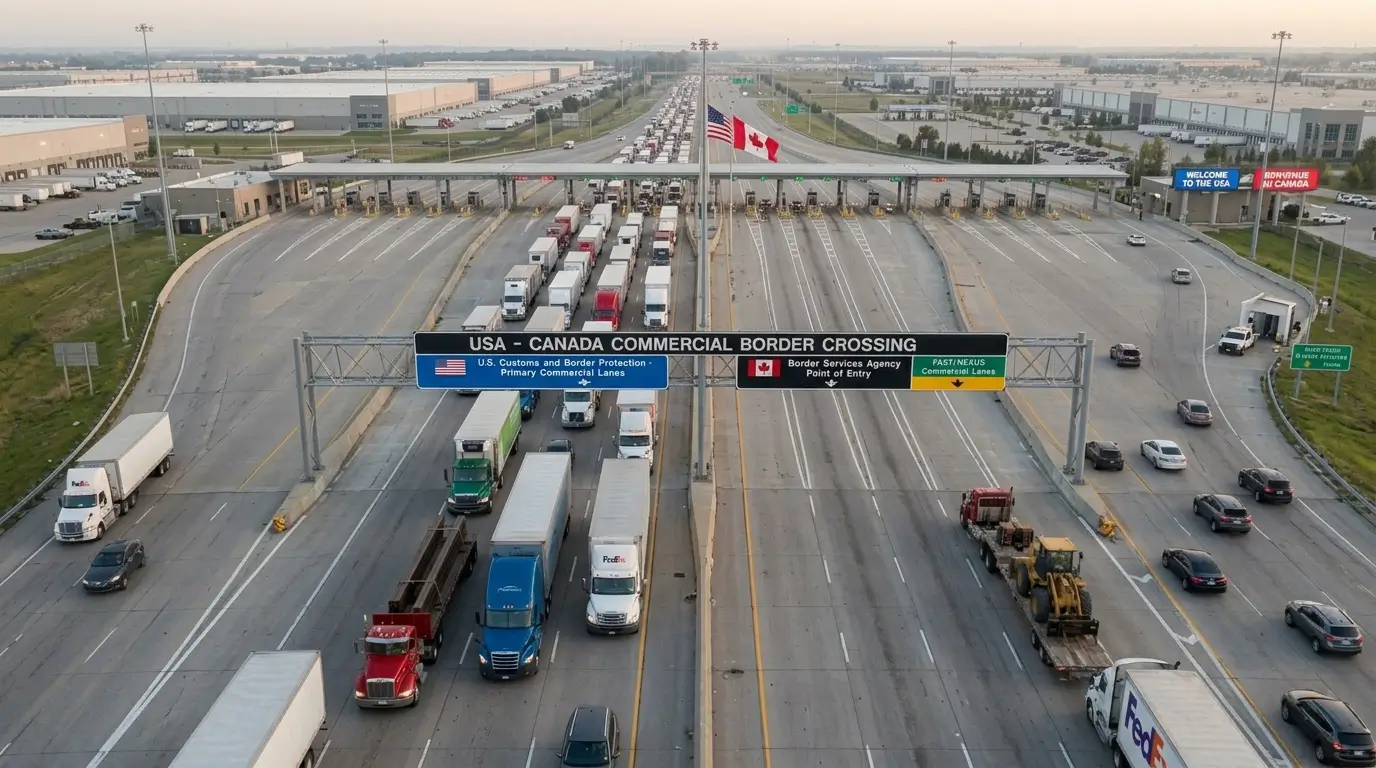
Are you still shipping individual parcels from hubs in Toronto, Vancouver, or Montreal across the border to individual U.S. doorsteps? If so, your transit times are a massive liability. Random customs checks, paperwork bottlenecks, and border delays mean your packages sit in limbo while your U.S.-based competitors are delivering orders within 48 hours. Unpredictable delivery windows will destroy your brand authority faster than almost anything else.
4. Customs paperwork is a daily gamble
Navigating customs compliance is incredibly high-stakes, yet many scaling brands treat it like an afterthought. One single mismatched line on a commercial invoice or a minor clerical error can get an entire shipment seized, delayed, or heavily penalized. If your current cross-border process feels like a game of roulette every time stock moves, your infrastructure isn’t built for growth.
5. High-volume freight costs are erasing your margins
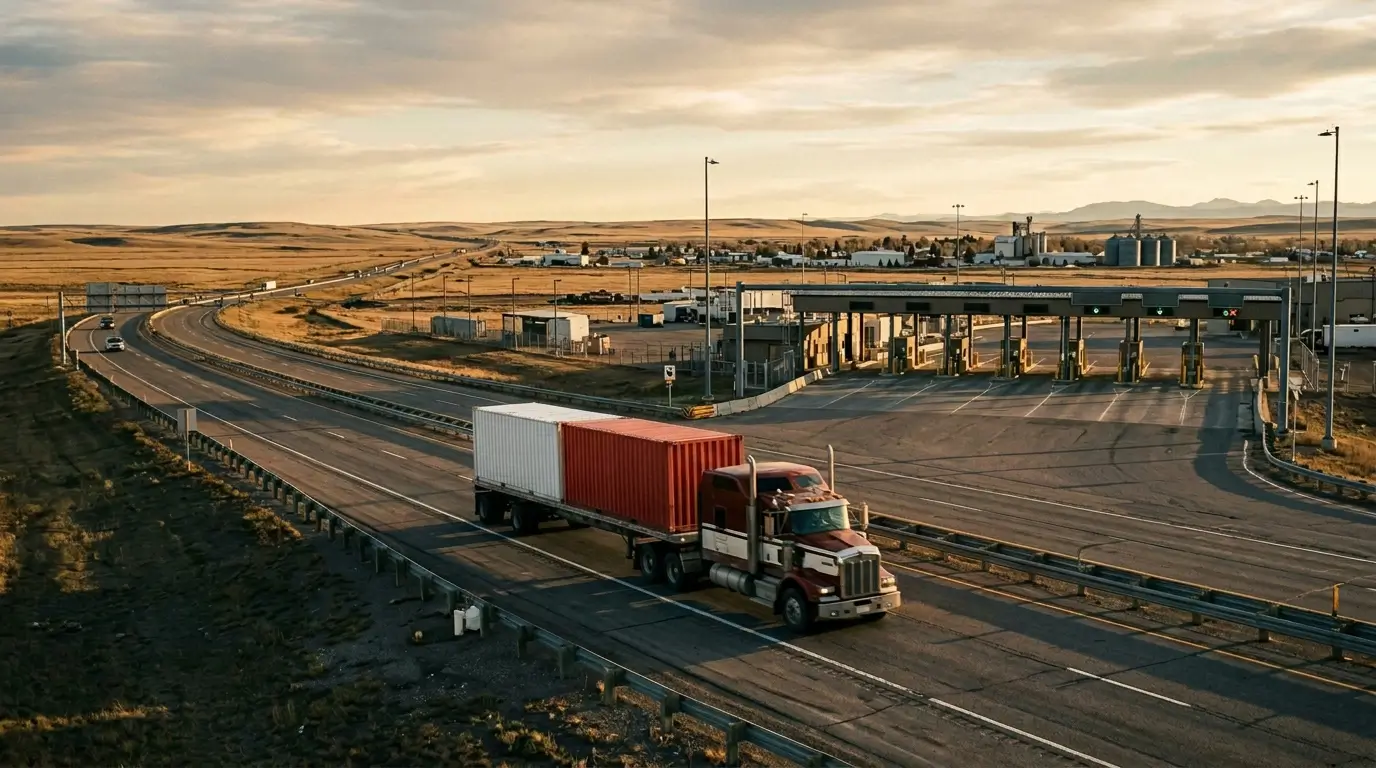
Sending individual parcels across international lines day after day racks up massive dimensional weight surcharges and carrier fees. If you aren’t transporting your inventory across the border in bulk using consolidated LTL (less-than-truckload) or FTL freight lanes, you are overpaying for shipping and suffocating your profit margins.
6. Returns have become an operational black hole
What happens when an American buyer needs to send something back? If your only option is forcing them to navigate international return shipping back to Canada, you’ve failed the customer experience test. The sheer cost and delay of cross-border reverse logistics often force brands to simply tell the customer to keep the item while writing off the inventory as a total financial loss.
7. You are trapped in fixed-cost paralysis
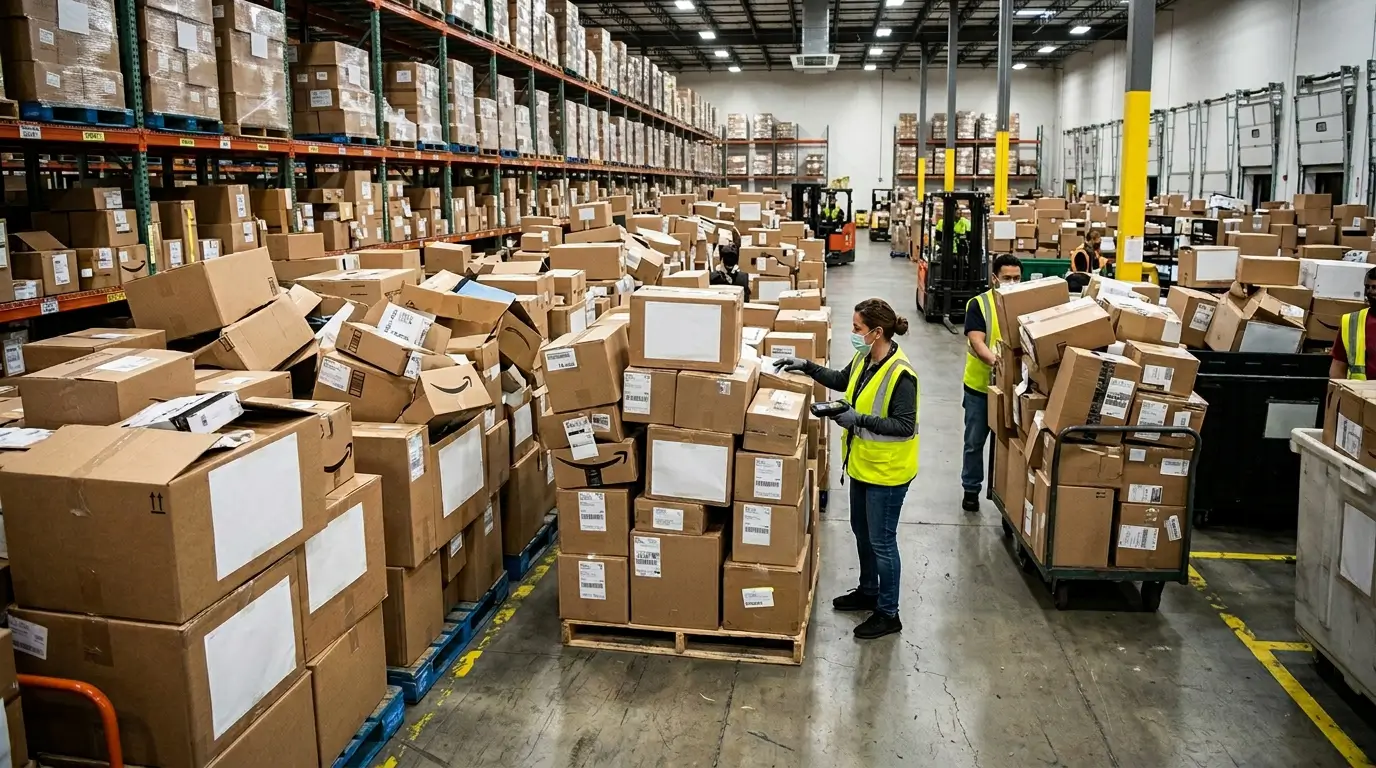
Some brands try to bypass border friction by leasing their own small warehouse space inside the U.S., only to run face-first into a different financial nightmare. Paying fixed rent, staffing costs, and equipment leases during your slowest seasonal months just to ensure you have enough space for the holiday peak completely chokes your cash flow.

Time to Pivot
A clunky, unpredictable fulfillment strategy doesn’t just annoy your buyers, it directly shrinks your conversion rates and eats your margins from the inside out. High-performing brands don’t guess; they position their physical inventory directly within the U.S. to serve U.S. buyers. This immediately eliminates the unnecessary middle steps, drops your shipping costs, and gives your customers the clear transparency they demand.
American Warehouse helps growing companies completely rethink their logistics, clean up their inventory management, and eliminate the roadblocks holding them back.
 Schedule a FREE consultation to evaluate your current fulfillment strategy
 Schedule a Free Consultation